


In the world of real estate, deciding how to rent out your property is a biggie. You've got Airbnb, where travelers crash for short periods, and then there's the classic long-term lease. Both have their perks and quirks, so let's dive into what sets them apart and how Stay Classy Management can help navigate through. When considering your options, it's essential to evaluate your target audience and potential earnings. For those leaning towards Airbnb, exploring various 'airbnb upgrade ideas for hosts' can significantly enhance the guest experience and boost your rental income. With the right approach, you can transform your property into a sought-after destination in a competitive market. Additionally, maintaining clear communication and providing excellent customer service are vital components of building trust with Airbnb guests. By responding promptly to inquiries and addressing any concerns, you can cultivate a welcoming atmosphere that encourages positive reviews and repeat bookings. Ultimately, fostering this trust can lead to higher occupancy rates and long-term success in the short-term rental market.
Short Stay vs. Long Haul
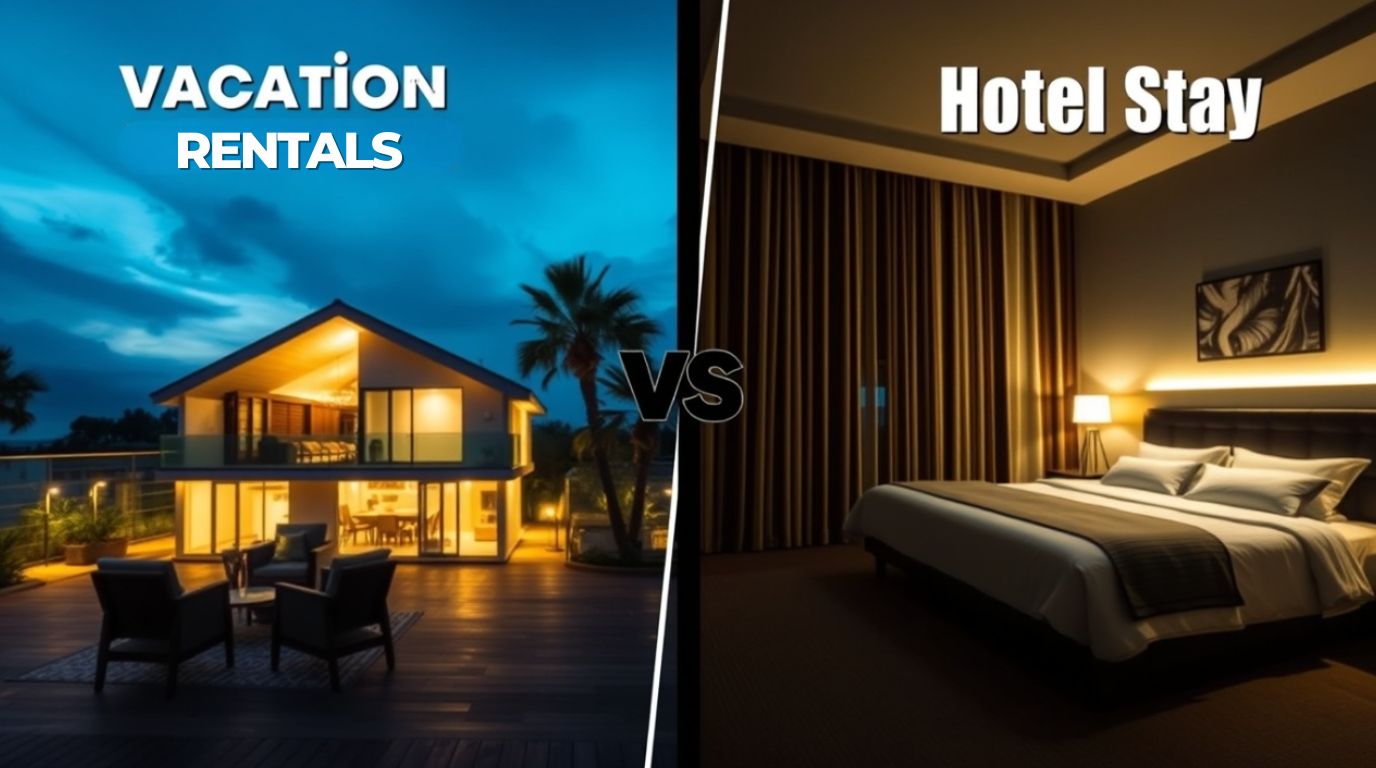
Airbnb is all about the short stay—think vacationers and weekend warriors looking for a place to hang their hats for a bit. It's great for flexibility but means you're flipping the place more often. Traditional renting is the long game, where tenants settle in for months or years, offering stability but less wiggle room if you want to mix things up.
Show Me the Money: Rental Income
Airbnb can mean more cash per night, especially if your spot is in a hot location or peak season. Prices can bounce around, though, adding a bit of unpredictability. Going the traditional route offers a steady stream of income with fixed monthly rent, making financial planning a bit easier.
Pricing Power
With Airbnb, you're in the driver's seat when it comes to pricing. You can adjust rates on the fly to match demand, special events, or the season. Traditional renting locks in your income, providing consistency but not much room for spur-of-the-moment price changes.
Demand Dynamics
The demand for your pad depends heavily on where it's located. Airbnb shines in touristy spots or cities with big events. Traditional rentals are more about stability, appealing to folks looking for a permanent place in quieter, less tourist-centric areas.
Counting the Costs
Starting an Airbnb can mean shelling out some cash upfront for furniture and all the trimmings to make your place guest-ready, plus ongoing costs like cleaning and upkeep. Traditional rentals typically have lower startup costs since they're often already set up for living, with maintenance being more sporadic.
Navigating the Legal Maze
Airbnb hosts have to stay sharp with local rules that can change and vary widely—everything from occupancy limits to taxes. Traditional landlords deal with more standardized rental laws, making compliance a bit more straightforward. Additionally, hosts must also be proactive in protecting their investment, often leading them to seek guidance on how to handle property damage effectively. This requires not only knowledge of insurance policies but also the ability to manage guest relations tactfully. As a result, many Airbnb hosts find themselves continuously educating themselves on best practices to ensure a smooth rental experience. Furthermore, successful hosts often turn to digital marketing techniques to stand out in a competitive market, streamlining social media strategies to attract potential guests. By creating engaging content and showcasing their unique properties online, they can enhance their visibility and boost bookings. This multifaceted approach not only helps in managing their rental effectively but also cultivates a loyal customer base that can lead to repeat business.
Making the Choice: Airbnb vs. Traditional Renting
What's Your Property Personality?
Think about what your property brings to the table. Airbnb is great for places with a unique vibe or prime location that travelers will love. Traditional renting suits residential spots aimed at long-term living.
Location, Location, Location
Your property's location can make or break its success in either rental strategy. Airbnb thrives in hot tourist spots, while traditional renting is king in stable, residential areas.
Income Aspirations
Your financial goals matter here. If you're aiming for quick, potentially higher earnings and enjoy flexibility, Airbnb might be your path. Prefer a steady, reliable income? Traditional renting is your go-to.
Time and Effort Investment
Airbnb requires hands-on management and a chunk of your time. If you're not up for the hustle, traditional renting offers a more laid-back approach with less frequent tenant dealings.
Airbnb vs. Traditional Renting: The Profit Debate
Which brings in more dough? It's a mix. Airbnb can offer higher nightly rates but comes with the costs of being a host. Traditional renting gives you a dependable income, potentially making it a safer bet for the long term. Additionally, if you leverage dynamic pricing strategies and optimize your property for guest satisfaction, you can maximize your hosting revenue significantly. On the other hand, traditional renting may limit your income potential but provides stability and less hands-on management. Ultimately, the best choice depends on your personal circumstances and investment goals.
Choose the Right One For You
Choosing between Airbnb and traditional renting boils down to your personal situation, goals, and how involved you want to be. Sometimes, mixing it up seasonally can work wonders. Stay informed and flexible, whether you opt for the dynamic world of Airbnb or the steady path of traditional leasing.
See also: Essential Cleaning and Maintenance Tips for Short-Term Rentals
And remember, don't let subpar software hold you back. With Stay Classy Management, streamline your property management and make the most out of your real estate venture.
Want to know how much you could make? Click here for a free estimate, or contact us for more information!
Source: Airbnb Vs Renting Out


Leave a comment
This site is protected by hCaptcha and the hCaptcha Privacy Policy and Terms of Service apply.