

Key Takeaways
San Diego's short-term rental market is strong year-round, but strong bookings don't happen by accident. Professional Airbnb management in San Diego covers pricing, guest communication, cleaning, compliance, and design work that most owners don't have time to handle alone. The right management partner pays for itself in recovered revenue and fewer headaches.
- San Diego STR regulations vary by neighborhood and property type, so permit status matters before you list.
- Dynamic pricing tools like PriceLabs can increase annual revenue 10–40% compared to flat nightly rates.
- Full-service management typically costs 20–30% of gross revenue, and the best operators pay for themselves through better occupancy.
- Guest experience directly drives review scores, which Airbnb's algorithm uses to rank your listing in search results.
- Owner-operated management companies have aligned incentives that large national platforms often don't.
What Airbnb Management in San Diego Actually Involves
A lot of first-time vacation rental owners picture Airbnb management as someone who hands keys to guests and collects a check. The reality is closer to running a small hotel, except you're also the general contractor, interior designer, revenue manager, and customer service rep. San Diego adds another layer because the city has some of the more specific short-term rental regulations in California, including a tiered permit system that depends on whether the property is your primary residence. If you get that part wrong, the city can pull your permit entirely. As fellow investors who operate properties in markets like this, we know the permit headaches are real and not theoretical.
Licensing and local compliance
San Diego requires a Short-Term Residential Occupancy (STRO) license for any property rented for fewer than 30 consecutive days. The city divides licenses into tiers based on primary versus non-primary residences, with non-primary homes limited to specific allotments that have been subject to local council decisions. You can check current rules and apply through the City of San Diego Office of the City Treasurer. Good management companies stay current on these rules and handle renewals for you, which is not a small thing when regulations change as often as they do in this market.
Listing creation and platform management
Once you're licensed, the listing itself is where a lot of owners leave money on the table. Photography matters more than most people expect. Airbnb's own internal data suggests that professional photos can increase bookings significantly, and the platform's search algorithm rewards listings with higher engagement rates. Beyond photos, your title, description, and amenity list all influence where you rank. A good management team handles all of this on both Airbnb and Vrbo so you're not dependent on a single platform for all your revenue.
How Pricing Works in the San Diego Market
San Diego is a year-round destination, which is one of the reasons investors like it. But that doesn't mean every night is worth the same rate. Comic-Con weekends in July, holiday weekends, and summer beach season all command premium pricing. A flat monthly rate set in January will almost always leave money on the table in peak periods and price you out of bookings during slower stretches. This is where a tool like PriceLabs earns its keep.
Dynamic pricing in practice
PriceLabs pulls in local market data, your property's historical performance, and upcoming demand signals to suggest nightly rates. It's not perfect and it still requires human oversight, but the alternative is guessing. Properties we've seen switch from static rates to dynamic pricing often see annual revenue increases in the 15–30% range, though your results depend on your specific neighborhood, bedroom count, and how competitive your listing looks compared to nearby properties. North Park, Ocean Beach, and La Jolla all have very different demand curves even though they're within the same city.
Minimum stays and gap nights
Minimum stay requirements are another lever most self-managing owners set once and forget. A blanket two-night minimum sounds reasonable until you realize you're leaving Friday-only gap nights empty that a one-night booking could fill. Experienced management companies adjust minimums based on lead time and calendar position. That single tactic alone can add meaningful revenue over a full year without changing anything else about the property.
Guest Experience and Why It Drives Your Search Ranking
Airbnb's search algorithm is not purely about price or availability. Airbnb's ranking factors include review scores, response rate, acceptance rate, and listing quality signals. In plain terms, a property with a 4.6-star average will appear lower in search results than a comparable property with a 4.9-star average, even if your nightly rate is lower. Five-star reviews are not about having a luxury property. They're about communication speed, cleanliness, and accurate listing descriptions. Guests are understanding about older appliances or a smaller bathroom when you told them upfront. They are not forgiving when something surprises them.
Cleaning standards matter more than you think
The single most common source of guest complaints on Airbnb is cleanliness. One bad clean that a guest photographs and posts in a review can damage your average score for months. Professional property management means using trained cleaning teams with checklists, not whoever is cheapest on a gig app that week. It also means managing turnovers tightly so cleaners have enough time between checkout and check-in to do the job right. Rushing a three-hour clean into ninety minutes is how things get missed. If you want to read about what guests actually care about, the Airbnb newsroom research section publishes guest preference data periodically.
Response time and automated messaging
Airbnb measures how quickly you respond to new inquiries and factors it into your listing ranking. A management company with a 24/7 response system handles this automatically. They also set up automated check-in instructions, house manual delivery, and follow-up messages that prompt guests to leave reviews without being pushy. These small touchpoints add up to a better guest experience without requiring you to be available at 11pm on a Saturday.
Interior Design and Property Setup for Higher Revenue
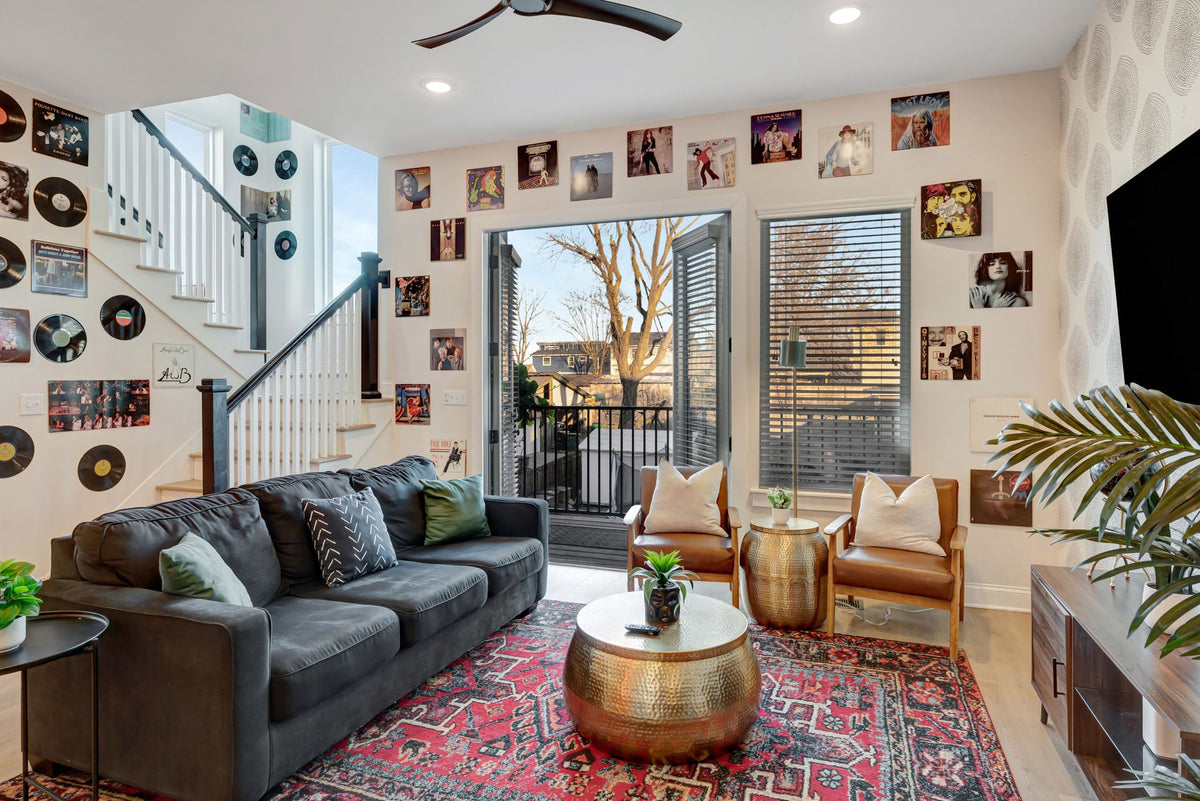
This is the part most management companies skip or outsource to whoever is cheapest. The way a property is set up, photographed, and staged before it goes live has a direct impact on your average nightly rate and your booking conversion rate. A well-designed San Diego beach property can command $80–$120 more per night than a comparable square footage property with builder-grade furnishings and bad lighting. That's not speculation. It's something we see repeated in markets we operate in firsthand. Our approach to vacation rental interior design is built around durable, guest-proof choices that still photograph well and hold up after hundreds of stays.
What makes a property photograph well
Natural light access, a coherent color palette, and furniture scaled correctly for the space all matter in listing photos. Oversized sectionals that block sightlines, overhead fluorescent lighting, and mismatched decor styles all make photos look smaller and less appealing than the property actually is. You don't need a redesign to fix this. Sometimes repositioning furniture and swapping lighting fixtures is enough. Part of what our in-house design and project management team does is assess what changes give you the best return before a single booking goes live.
What Full-Service Management Costs and What You Get
Most full-service Airbnb management companies in San Diego charge between 20% and 30% of gross revenue. That fee typically covers listing management, guest communication, cleaning coordination, and basic maintenance response. Some companies charge add-on fees for professional photography, onboarding, or owner reporting. Read the contract carefully before you sign anything. The question to ask is not "what is the management fee?" but "what does the management fee include and what will cost extra?"
As property owners ourselves, we structure our agreements the way we'd want them if we were the client: transparent on fees, clear on what's included, and accountable on performance. Our full-service management program covers pricing, guest communication, cleaning oversight, and interior design support without a long menu of add-on charges. We also publish a free income estimator so you can see what your property might realistically earn before committing to anything.
Management fees vs. self-management costs
Self-managing a property sounds free until you account for your own time. If you spend 10 hours a month on guest communication, pricing adjustments, cleaning coordination, and maintenance calls, and you value your time at $50 per hour, that's $500 in implicit cost per month. Most management fees on a property generating $4,000 per month gross are in the same range. The difference is that a good management company also earns you more revenue through better pricing and occupancy, which often offsets the fee entirely. The AirDNA research blog publishes market-level data that can help you benchmark what comparable properties in San Diego actually earn.
Frequently Asked Questions
Do I need a permit to list my San Diego property on Airbnb?
Yes. San Diego requires a Short-Term Residential Occupancy (STRO) license for any rental under 30 consecutive nights. The application goes through the City Treasurer's office, and the license type depends on whether the property is your primary residence. Operating without one puts you at risk of fines and listing removal. Check the city's official STRO page for current requirements before listing.
How much can I earn from an Airbnb in San Diego?
Earnings vary widely based on location, bedroom count, property quality, and how well the listing is managed. A two-bedroom property near the beach in Mission Bay can earn $60,000 to $90,000 annually in gross revenue with strong management. A similar property in a less in-demand neighborhood might earn $40,000 to $55,000. Use a free income estimate to get a property-specific projection.
What is the difference between Airbnb and Vrbo for San Diego rentals?
Both platforms generate bookings in San Diego, but their guest demographics differ. Vrbo skews toward families and longer stays, while Airbnb attracts a broader mix including solo travelers and couples. Listing on both increases your reach and reduces platform dependency. Good management companies handle both simultaneously so you're not manually updating availability across platforms.
How does dynamic pricing work for short-term rentals?
Dynamic pricing tools like PriceLabs adjust your nightly rate automatically based on local demand, your booking pace, and seasonal patterns. They connect to your listing calendar and update rates daily. The goal is to charge more when demand is high and fill otherwise empty nights with competitive rates during slow periods. Most operators see improved annual revenue compared to static pricing strategies. Read more about how dynamic pricing applies to vacation rentals.
What should I look for in an Airbnb property manager?
Look for transparent fee structures, references from current clients, and evidence the company actively manages its own properties or has direct investor experience. Ask whether they use dynamic pricing, how they handle maintenance emergencies, and whether photography and design help is included. The Vacation Rental Management Association publishes standards that good management companies typically meet or exceed.
Can a property management company help if my listing is underperforming?
Yes, and this is one of the more common scenarios we see. Owners who self-managed for a year or two and saw declining occupancy often find that listing quality, pricing strategy, or review scores have slipped. An audit of your photos, pricing setup, and listing description usually surfaces the issues quickly. Check out our guide to improving vacation rental listing performance for a starting point.
Is San Diego a good market for short-term rental investment in 2025?
San Diego remains one of the stronger coastal STR markets in the country because of its year-round climate, consistent tourism, and diverse demand drivers including military, biotech, and university sectors. Permit supply is limited under current city rules, which actually benefits existing licensed operators by reducing competition. The San Diego Tourism Authority publishes visitor data that helps investors evaluate market trends.
See What Your San Diego Property Could Earn With the Right Management
If you've been running your San Diego property yourself and wondering whether you're leaving money on the table, the honest answer is that most self-managed listings are. Not because owners aren't smart, but because good management requires time and tools that most people don't have sitting around. We manage our own investment properties the same way we manage our clients' properties, which means we're paying attention to the same things you care about: occupancy, revenue, guest reviews, and keeping the property in good shape for the long term. If you want to see what your property realistically could earn under professional management, take the next step now. See what your property could earn. Get a free income estimate.

Leave a comment
This site is protected by hCaptcha and the hCaptcha Privacy Policy and Terms of Service apply.