

Key Takeaways
- Cleanliness is the single biggest driver of five-star reviews. According to Airbnb, it's the most frequently cited reason for negative reviews
- Your first five reviews matter more than any others because they determine your listing's early search placement and booking velocity
- Response time is both a review driver and an Airbnb ranking factor. Aim to respond to all messages within one hour
- The review request window opens when checkout is complete. Timing your request 24-48 hours after checkout gets better response rates than asking immediately
- Guests rarely leave bad reviews for properties that communicate proactively and deliver exactly what was promised in the listing
Last Updated: May 2026
Your first Airbnb review carries more weight than it should. It's not because Airbnb weighs it more heavily, but because it exists or it doesn't. A listing with zero reviews is an unknown quantity. Travelers choosing between a proven property with 47 five-star reviews and a new listing with nothing will default to the proven option almost every time.
Getting those first reviews, and building on them into a consistent five-star track record, isn't about gaming the system. It's about understanding exactly what guests are evaluating and then delivering on each dimension reliably.
What Guests Are Actually Rating
Airbnb's review system breaks down into six categories:
- Cleanliness - How clean was the property on arrival?
- Accuracy - Did the property match what was described and shown in photos?
- Check-in - How easy was the arrival process?
- Communication - How responsive and helpful was the host?
- Location - How was the neighborhood?
- Value - Did the experience justify the price?
You have direct control over five of these six. Location is fixed. Everything else is shaped by your preparation, communication, and consistency.
The most important of these for new listings is cleanliness. It's the first thing guests notice and the most common source of negative reviews. Managing cleaning operations to a consistently high standard is the single highest-leverage thing you can do for your review score.
Setting Up Your Listing for Five-Star Reviews Before Anyone Arrives
Match Your Photos to Reality
Accuracy surprises are one of the most reliable paths to a bad review. If your photos were taken with a wide-angle lens that makes the bedroom look twice as large as it is, guests will notice when they arrive. If the "ocean view" is a sliver visible from one corner of the balcony, write it that way.
This sounds obvious but gets violated constantly. People think flattering photos sell bookings, and they do, but they also create expectations. Guests who feel misled write about it.
Professional photography is worth the investment, not to make the property look better than it is, but to make it look as good as it actually is. Natural light, good composition, and proper angles show a property accurately while highlighting its best features. That's what converts browsers into bookings and keeps ratings high.
Write an Honest, Complete Description
Your listing description is a contract with your guests. Everything you promise, you need to deliver. Everything you omit that guests might care about creates the potential for an unpleasant surprise.
Parking details, Wi-Fi speeds, noise levels from nearby traffic or neighbors, stair accessibility, pet policies, any quirks about the property. Be straightforward about all of it. Guests who book knowing exactly what to expect don't leave one-star reviews about things they already knew.
For a new listing, a slightly conservative description that the property exceeds is better than an aspirational description the property has to live up to.
The Communication Stack That Prevents Negative Reviews
Most guest problems that turn into negative reviews weren't inevitable. They were avoidable with better communication. A guest who can't figure out the door code at 10pm and can't reach you isn't just inconvenienced. They're accumulating frustration that gets expressed in writing two days later.
Build a communication sequence that keeps guests informed at every point they'd otherwise have a question:
Booking confirmation. Within an hour of booking, send a message confirming the reservation, expressing genuine enthusiasm about the stay, and giving them a preview of what to expect. Don't dump the full check-in instructions here, just acknowledge the booking and set a positive tone.
Pre-arrival (3-5 days before check-in). Send detailed check-in instructions, parking information, Wi-Fi credentials, door codes, and your local recommendations. This is also the right time to ask if they have any questions or special needs.
Check-in day. A brief message confirming you're looking forward to their arrival and that you're available if anything comes up. This is especially important for keyless entry properties where guests won't interact with you in person.
Mid-stay check-in (for stays of 3+ nights). A simple, brief message asking if everything is going well and whether there's anything you can help with. This creates an opening for guests to mention a problem that you can fix during the stay rather than in a review after checkout.
Checkout reminder. Send the night before or morning of checkout with clear instructions and a warm thank-you.
Review request (24-48 hours after checkout). More on this below.
This sequence takes maybe 10 minutes per booking to execute with templates. It prevents the vast majority of review-driving problems because it removes uncertainty and demonstrates attentiveness at every step.
Cleanliness: The Non-Negotiable
No amount of good communication and accurate photos rescues a review if the property isn't clean when guests arrive. According to Airbnb's own data on what drives five-star reviews, cleanliness is the most commonly cited factor in both positive and negative reviews.
What "clean" means to vacation rental guests:
- Zero visible hair anywhere. Bathroom surfaces, shower drains, toilet rims, bedroom floors.
- Spotless kitchen surfaces, appliances, and especially the stovetop and microwave.
- Fresh, unstained linens and towels.
- No odors, including air freshener masking a problem.
- Floors free of debris, dust, and scuffs.
- Full trash cans emptied.
This standard is harder to hit than it sounds, especially at scale, because the turnover window between checkout and check-in can be tight. A reliable, experienced cleaning crew who knows the property and understands the standard is one of the highest-value relationships in your operation.
Build a checklist for your cleaners that covers every surface and area. Do surprise quality checks periodically. And when a guest mentions a cleanliness issue, address it immediately rather than dismissing it.
The Check-In Experience
A smooth check-in sets the emotional tone for the entire stay. Guests arrive after potentially stressful travel. If the first experience is a seamless, welcoming arrival, they enter the property already feeling good about it.
A few things that drive this:
Clear, tested check-in instructions. Walk through your own check-in instructions as if you've never been to the property. Are the directions clear enough for someone arriving in the dark? Is the door code sequence intuitive? What do you do if it doesn't work?
Keyless entry. Smart locks that use codes rather than physical keys eliminate a major category of check-in problems. No lost keys, no coordination required. Guests can let themselves in whenever they arrive.
Welcome materials in the property. A brief welcome note, the Wi-Fi password prominently displayed, a house manual covering everything from the TV remote to the thermostat, and your local restaurant and activity recommendations. Not a stack of laminated papers, but a clean, simple guide that answers the questions guests will actually ask.
Creating a welcome kit that guests genuinely appreciate is one of the more consistently cited elements in positive reviews. Small touches like a bottle of local hot sauce or a list of the host's personal favorite spots in the neighborhood go a long way.
Asking for the Review
Guests who have a genuinely good stay don't automatically leave reviews. Life gets in the way. They intend to write something and then forget. A well-timed, casual ask converts a satisfied guest into an actual review.
Best practices:
Timing. Send your review request 24-48 hours after checkout. Early enough that the experience is fresh, late enough that they've settled back into normal life and have a moment.
Tone. Keep it brief and conversational. Something like: "Thanks for staying at the place. We really enjoyed hosting you. If you have a moment, a review on Airbnb would mean a lot to us as a newer listing." No begging, no pressure, no hint of desperation.
Don't offer incentives. Airbnb prohibits incentivized reviews, and they should feel earned rather than purchased. A genuine request after a genuine experience is all you need.
Leave your review first. Airbnb shows both parties' reviews simultaneously once both are submitted. If you leave a positive review for your guest first, many guests feel the social reciprocity and respond in kind.
Recovering From a Bad Review
It will happen. Even the best properties with the most attentive hosts get an unfair or inaccurate review at some point. What matters is how you respond.
Respond publicly, briefly, and professionally. Your response to a negative review is read by future guests as much as the review itself. A thoughtful, non-defensive response that acknowledges the concern and explains what you've done to address it often actually increases bookings because it demonstrates accountability.
Don't argue. Even if the guest is wrong, a defensive public argument makes you look worse than the original review. Keep your response calm and solution-oriented.
Flag genuinely false reviews. Airbnb has a process for removing reviews that violate their content policies, including reviews that describe things that didn't happen or were written in bad faith. Use it when appropriate.
One bad review surrounded by ten or fifteen strong ones has minimal impact. The goal is consistency, not perfection.
Frequently Asked Questions
How many reviews do I need before my listing performs well in search?
Airbnb doesn't publish exact thresholds, but most hosts observe a meaningful improvement in search placement and booking velocity after 10-15 reviews with a strong overall score. The first five are disproportionately important for initial momentum.
What's the fastest way to get my first reviews?
Price your opening period slightly below comparable listings to drive initial bookings. Welcome friends or family for a discounted or comped stay if they'd leave honest reviews. Focus intensely on delivering an exceptional experience for the first several bookings. Early positive reviews compound quickly.
Can I ask guests to change a negative review?
You can ask, but you can't require it and you shouldn't pressure guests. Airbnb allows guests to edit their reviews within 14 days if both parties haven't submitted yet. A polite message explaining your perspective on a negative review sometimes results in a change, but expect this to work only occasionally.
How important is response time for my Airbnb rating?
Very important on two levels. First, fast response times are directly tied to Airbnb's search ranking algorithm and Superhost qualification. Second, quick responses prevent the buildup of guest frustration that drives negative reviews. A one-hour response time standard is realistic for most hosts and meaningful for both ranking and guest satisfaction.
Does the listing design affect reviews?
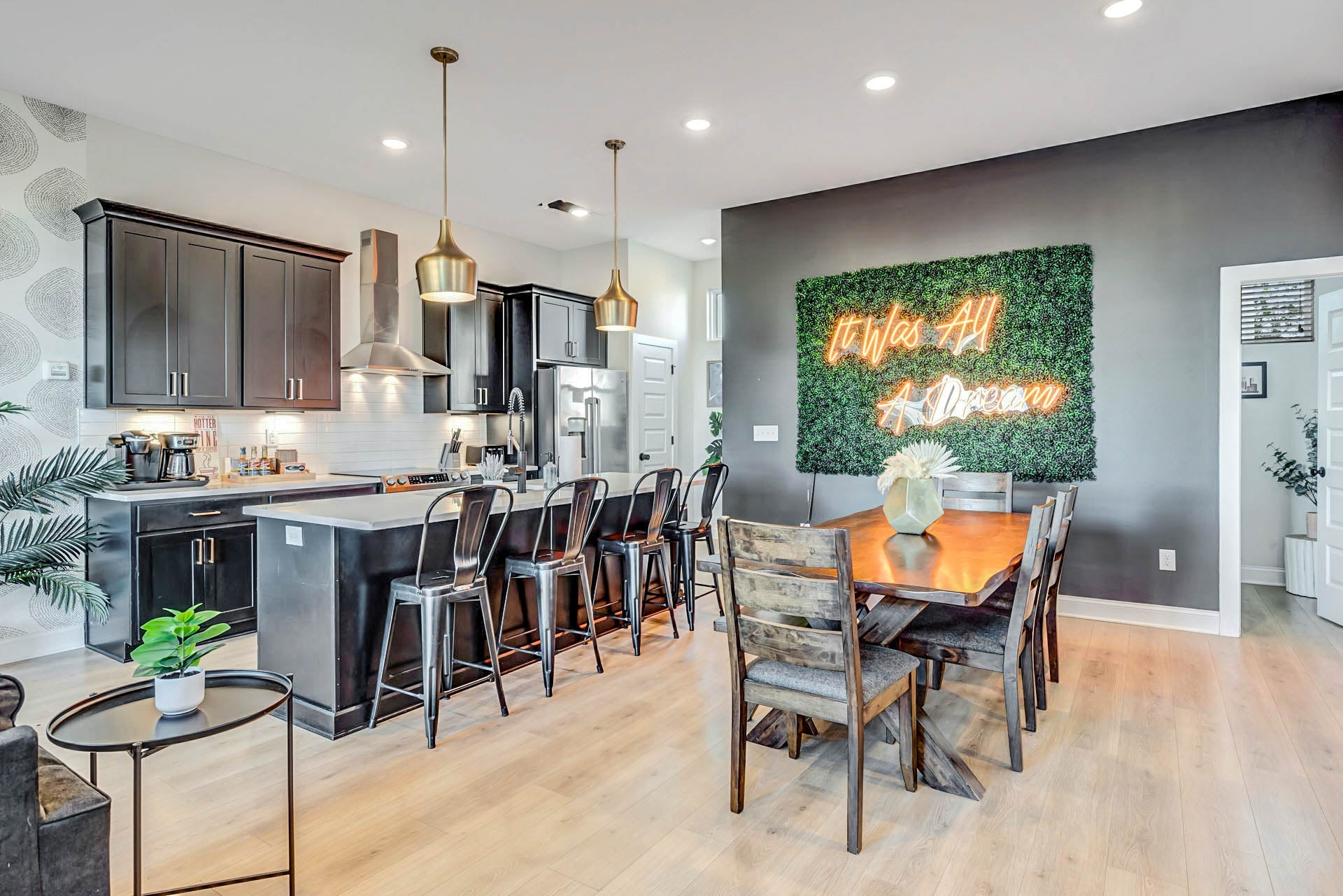
Yes, significantly. A well-designed space that photographs beautifully creates positive first impressions on arrival that carry through the stay. Interior design built for vacation rental performance consistently shows up in reviews when guests describe what they loved about a property.
Building a five-star review track record takes time but follows a reliable process. Deliver what you promised, keep the property clean, communicate proactively, and ask for the review. Do that consistently and the ratings take care of themselves.
Want to see how professionally managed properties handle all of this as a system? Talk to the Stay Classy Homes team about what full-service management looks like for your property.


Leave a comment
This site is protected by hCaptcha and the hCaptcha Privacy Policy and Terms of Service apply.