

Key Takeaways
- Hot tubs produce the strongest measurable return of any single amenity, increasing ADR by 24%, occupancy by 7%, and RevPAR by 33%
- Pools average an 18.5% boost in ADR and a 24% jump in RevPAR, but installation costs require longer payback timelines
- Game rooms and outdoor entertainment areas cost $600-$3,500 and typically generate a 2.5-3.5% booking increase, with strong appeal to family and group travelers
- Not every amenity earns the same return in every market — your guests' priorities should drive which upgrades make financial sense
- The amenity upgrade that almost always pays off fastest isn't glamorous: high-speed Wi-Fi
When a guest is scrolling through vacation rental listings, your photos either make them click or they don't. The amenities those photos show — a hot tub with a view, a game room set up for a tournament, fire pit chairs arranged around a perfect sunset — are often what separates a booked calendar from one full of open dates.
The question property owners ask us constantly is whether these upgrades actually pay off. The answer is yes, usually — but the return varies a lot by amenity type, property location, and guest demographic. Here's what the data actually shows.
Hot Tubs: The Strongest Performer
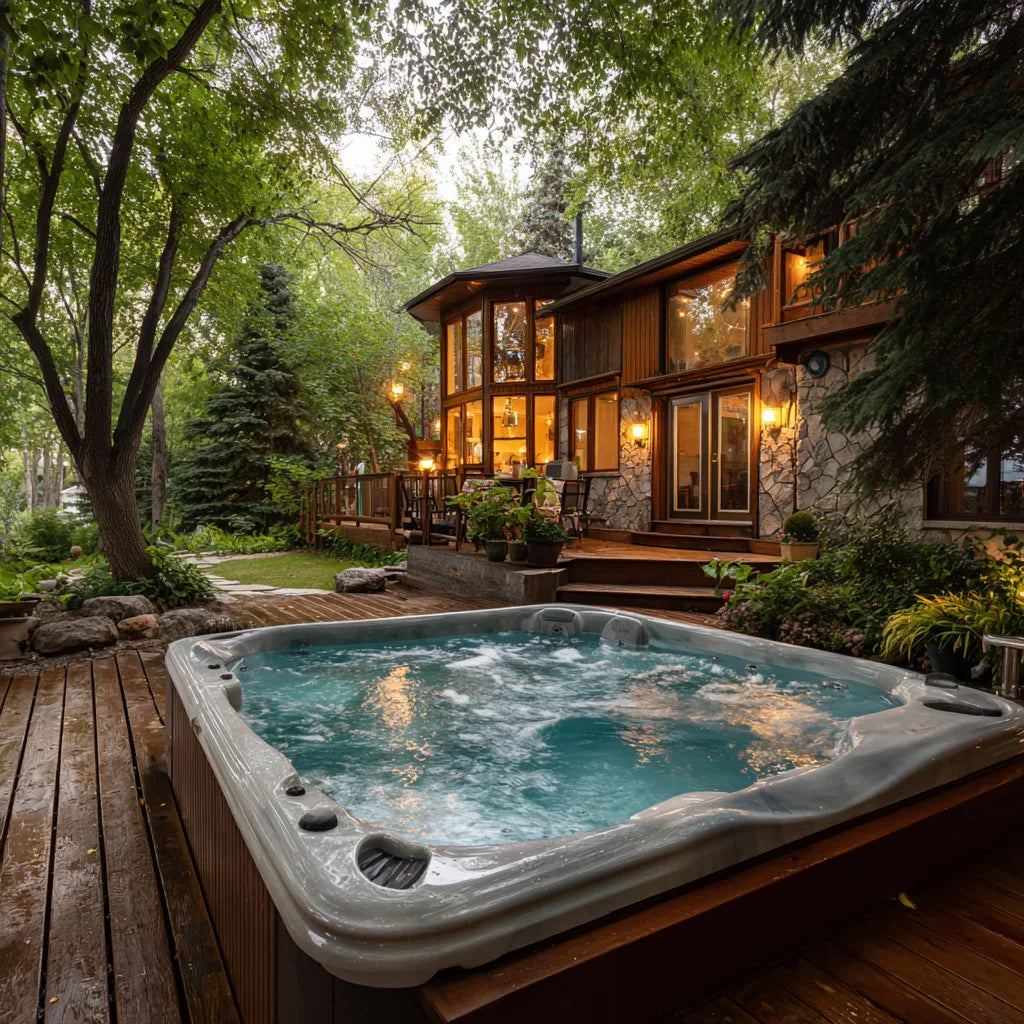
If you're going to invest in a single high-cost amenity for your vacation rental, a hot tub has the best documented return of any option we've seen tracked.
According to data from Wander, listings with hot tubs see an average 24% increase in ADR, a 7% rise in occupancy, and a 33% uplift in RevPAR. Those are meaningful numbers across a full year of bookings.
Hot tub installation typically runs $4,000 to $10,000, with annual maintenance costs averaging around $1,000 in chemicals, service, and water. On a property generating $50,000 in annual revenue, a 33% RevPAR boost could add $16,000+ in annual income — which means the installation pays for itself within the first year in many cases.
The practical benefits go beyond the numbers too. Hot tub listings filter guests toward higher-intent bookings. Guests searching specifically for a hot tub are usually planning a celebration, a romantic trip, or a group getaway — the kind of stays that generate strong reviews and repeat bookings. They're also generally less price-sensitive than the average guest, which supports the ADR premium.
We have several properties in our portfolio featuring hot tubs, including listings in our Nashville market where the group travel segment drives consistent demand for premium amenities. The guest feedback on those properties is consistently above average.
One real consideration: hot tubs require reliable maintenance. A hot tub that's cold, dirty, or out of service when a guest arrives is not just a refund request — it's a 1-star review. If you add one, build the maintenance routine into your property management plan from day one.
Pools: High Impact, Slower Payback
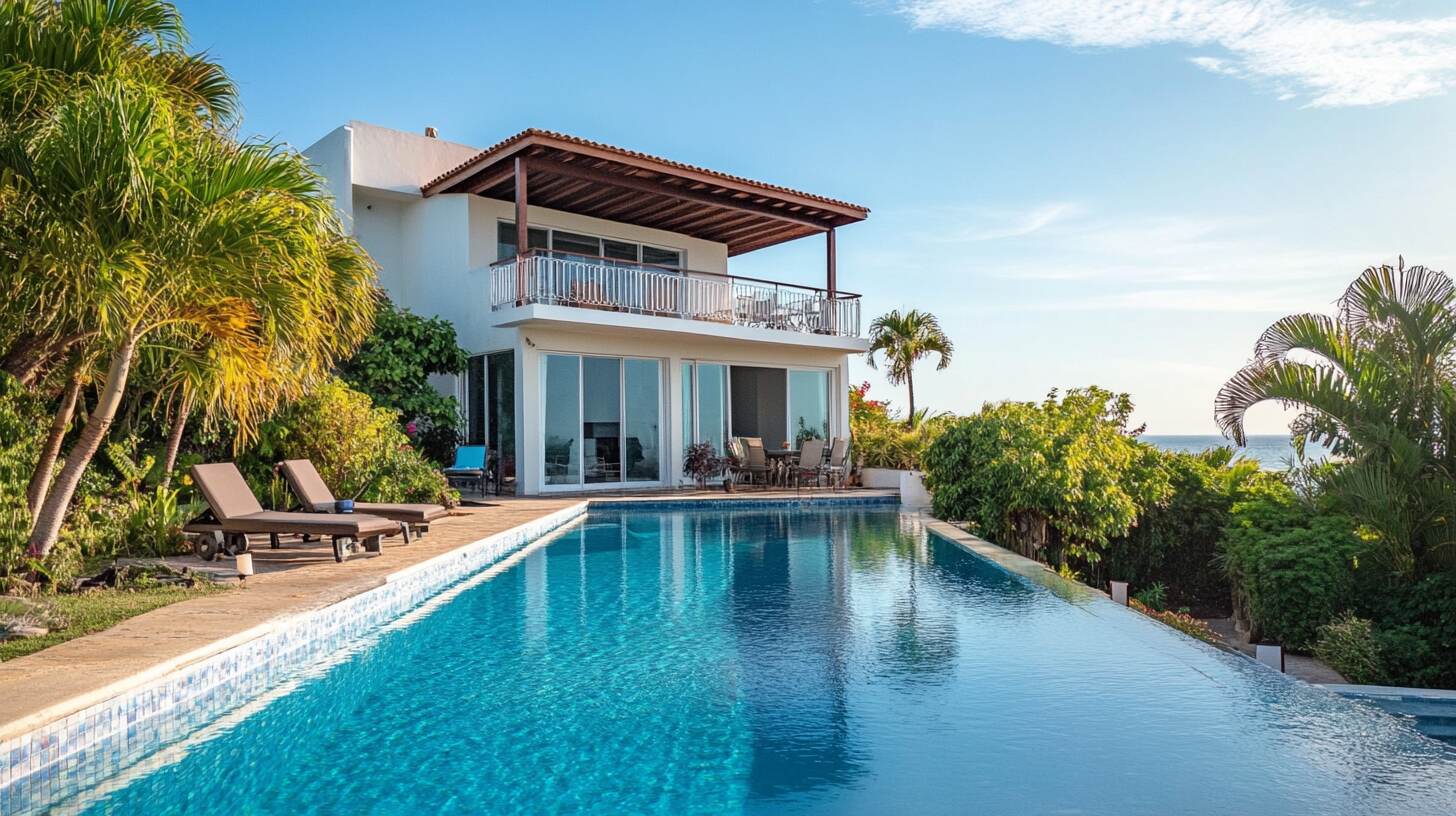
Pools are the most impactful amenity in coastal and warm-weather markets. Properties with pools average an 18.5% boost in ADR and a 24% jump in RevPAR, according to Wander's amenity analysis.
In beach towns and Sun Belt markets — which describes most of Stay Classy Homes' portfolio — over half of competing listings already have pools. That context matters. In San Diego and Scottsdale, a pool isn't necessarily a differentiator; it's a competitive baseline. Not having one in certain market segments means fighting for the bookings that pool properties leave behind.
The installation cost is the obvious counterweight. In-ground pools typically run $30,000-$60,000 or more, plus annual maintenance and insurance considerations. The payback timeline is longer than a hot tub, which means pools make more sense as a decision at purchase rather than a retrofit.
That said, for properties already positioned in the mid-to-luxury segment in warm markets, a pool absolutely supports premium pricing and stronger occupancy. If your comparable listings have pools and yours doesn't, that gap is showing up in your revenue whether you see it directly or not.
Fire Pits: Low Cost, High Perceived Value
Fire pits punch well above their price point.
A quality outdoor fire pit setup costs $600-$3,000 installed, depending on whether you go portable or built-in. The return is harder to isolate statistically than hot tubs or pools, but the impact on listing photos is immediate and the guest feedback is consistent — people love them.
Fire pits work especially well for listings that already have outdoor space. They add warmth (literally and atmospherically) to evening photos, they extend the usable season for outdoor living areas, and they create the kind of shared-experience moments that guests write about in reviews.
For colder-climate markets or mountain properties, a fire pit is often essential rather than optional. For coastal properties in San Diego or Kauai, it's a nice-to-have that photographs beautifully and adds a reasonable nightly rate premium.
The maintenance footprint is minimal compared to a hot tub or pool. A propane fire pit needs an occasional tank swap. A wood-burning pit needs a clean grate. Neither is a significant ongoing cost.
Game Rooms: The Family and Group Segment
A dedicated game room or entertainment space typically costs $600-$3,500 to set up, depending on what equipment you include. Research from Wander puts the booking increase at approximately 2.5-3.5% for properties that add this type of amenity.
That percentage sounds modest, but consider what it means in practice. Game rooms attract multi-family trips, reunion groups, and families traveling with kids — guests who need more entertainment options inside the property. Those guests also tend to stay longer (which reduces turnover costs) and book during the off-season when other guests are harder to attract.
Pool tables, foosball tables, arcade games, and ping pong are the most common setups. Air hockey tables and dart boards fill in well at lower price points. The goal isn't to create an arcade — it's to give groups something to do on a rainy evening or after dinner.
We feature game room amenities prominently in the listings for our larger Nashville properties, where the bachelorette and group market is a significant demand driver. It shows up in both the bookings and the reviews.
The Amenity That Almost Always Pays Off First
Before you spend a dollar on any of the above, make sure your Wi-Fi is fast and reliable.
This might sound like a low bar, but it's genuinely one of the most common guest complaints we see across the industry. Guests who need to work remotely, stream video, or stay connected will forgive a lot of imperfections if the Wi-Fi is solid. They will not forgive slow or unreliable internet regardless of how nice the hot tub is.
A reliable mesh network setup and a gigabit-capable internet plan typically runs $150-$300 to set up. The return on that investment is front-loaded — it prevents negative reviews before they happen.
High-speed Wi-Fi alongside a dedicated workspace (even just a good desk and proper lighting) has become a meaningful differentiator as remote work bookings have grown. Guests booking 1-2 week stays specifically look for properties that can function as a temporary home office.
How to Evaluate Any Amenity Investment
Before committing to an upgrade, work through these three questions:
Who are your guests? A hot tub is a fantastic investment for a group-travel property in Nashville. It's less compelling for a studio unit targeting solo business travelers. Match the amenity to the guest you're trying to attract.
What are your comparable listings doing? If every competing property in your market has a pool and yours doesn't, the calculus is different than if you'd be the only one with a hot tub. Use AirDNA or similar tools to see what amenities appear most often in your top-performing competitors.
What's the payback window? Divide the installation cost by the projected annual revenue increase. A hot tub that costs $7,000 and adds $12,000 in annual revenue pays back in seven months. A pool that costs $50,000 and adds $8,000 in annual revenue takes over six years. Both might be worth doing, but only one is a quick win.
Our interior design and project management services are built specifically around this kind of ROI-focused thinking. Every upgrade we recommend to property owners has to pass the test of whether it will generate a return — because we're investors ourselves and we apply the same standard to our own properties.
Frequently Asked Questions
Do hot tubs really increase Airbnb bookings?
Yes. Properties with hot tubs see measurably higher ADR, occupancy, and RevPAR than comparable listings without them. According to Wander's amenity data, the ADR increase averages 24% and RevPAR improvement averages 33%. The impact is strongest for properties targeting couples, groups, and travelers booking for special occasions.
How much does it cost to add a hot tub to a vacation rental?
Hot tub installation typically runs $4,000-$10,000 depending on the model and site requirements. Annual maintenance costs run approximately $1,000 in chemicals, service calls, and water. Many vacation rental properties recoup the investment within the first year through increased revenue.
What amenities do vacation rental guests want most?
Beyond the basics (Wi-Fi, well-equipped kitchen, comfortable beds), guests consistently prioritize outdoor spaces, hot tubs, pools, and entertainment areas like game rooms. The exact priority order varies by market and guest type.
Is a fire pit worth adding to a vacation rental?
Generally yes, especially for properties with outdoor space. Fire pits cost $600-$3,000 to add, require minimal ongoing maintenance, and generate consistently positive guest feedback. They photograph well and extend the appeal of outdoor areas into cooler months.
Should I add a pool to my vacation rental?
In warm-weather and coastal markets, pools have a strong impact on ADR and occupancy. In San Diego and Scottsdale particularly, they're competitive expectations rather than differentiators in the mid-to-high end segment. The high installation cost ($30,000-$60,000+) makes pools more of a purchase decision than a renovation decision.
What game room equipment works best for vacation rentals?
Pool tables and ping pong tables offer the best combination of guest appeal and durability. Arcade cabinets, foosball, and air hockey round out a solid setup. The goal is providing entertainment for groups rather than building a full-featured game center. Keep equipment that requires minimal maintenance and can handle real use.

Leave a comment
This site is protected by hCaptcha and the hCaptcha Privacy Policy and Terms of Service apply.