

Key Takeaways
- Your standard homeowner's insurance policy almost certainly excludes short-term rental activity, leaving you unprotected during guest stays
- Airbnb's AirCover provides $3 million in host protection, but it has significant gaps and doesn't replace real insurance
- Standalone short-term rental insurance from providers like Proper Insurance or Steadily is the most comprehensive protection available
- Most policies run between $150 and $250 per month for a typical single-family vacation rental
- Loss of rental income coverage is frequently overlooked but can be the most important piece when something actually goes wrong
Last Updated: May 2026
Insurance is one of those topics that doesn't get much attention until something goes wrong, and then it becomes the only thing that matters. Property owners who list on Airbnb and Vrbo often assume they're covered between the platform protections and their existing homeowner's policy. Most aren't.
Understanding exactly what covers you, what doesn't, and where the gaps are isn't glamorous, but it's one of the most financially important things you can do before your first guest checks in.
Why Your Existing Homeowner's Policy Falls Short
Standard homeowner's insurance is designed to cover owner-occupied residential properties. When you rent your home to paying guests, even occasionally, most policies treat that as a business activity that falls outside the scope of residential coverage.
The practical result: file a claim for damage that occurred during a guest stay, and your insurer may deny it. Not because you did anything wrong, but because the policy wasn't written to cover this use.
Some insurers will add a short-term rental endorsement to an existing homeowner's policy for a modest premium increase. This works for very occasional rentals, say a few weeks per year, but typically caps out at 30-60 days and won't provide the liability protection or business income coverage that a purpose-built STR policy delivers.
If you're operating under Tier 2 or Tier 3 of San Diego's STRO licensing system, you're running what the insurance industry classifies as a commercial hospitality operation. Your coverage needs to match that.
What Airbnb's AirCover Actually Covers
Airbnb's AirCover for Hosts is genuinely valuable and shouldn't be dismissed. It provides up to $3 million in liability protection and up to $3 million in host damage protection for bookings made through the Airbnb platform. That sounds comprehensive, and in some situations it is.
But here's where AirCover falls short:
It only covers Airbnb bookings. If you also list on Vrbo, Booking.com, or take direct bookings, you're unprotected for those stays unless you have a separate policy.
Damage claims require Airbnb's approval process. AirCover damage protection requires documenting the damage, filing within 14 days, and getting Airbnb to agree to the claim. Disputes are common, and the process can be slow and frustrating.
It doesn't cover loss of rental income. If a fire or major water damage makes your property unrentable for two months, AirCover doesn't replace the revenue you lost during that period.
Business property isn't fully covered. High-end furnishings, electronics, and items specifically purchased for the rental have limited protection under AirCover's damage provisions.
Liability has exclusions. AirCover's liability protection excludes certain injury claims and has conditions that don't always align with real-world incidents.
The bottom line: AirCover is a useful safety net for minor to moderate incidents on Airbnb bookings. It's not a substitute for real insurance, especially if you're serious about maximizing your vacation rental as an income property.
Vrbo has similar coverage called Property Damage Protection and a liability plan through RedSky Insurance. The same limitations apply: platform-specific, claim-process-dependent, and incomplete.
Standalone Short-Term Rental Insurance: What It Covers
Purpose-built short-term rental insurance policies close the gaps that platform protections and standard homeowner's policies leave open. The leading providers in this space include Proper Insurance, Steadily, Cbiz, and Slice Labs, among others.
A solid STR insurance policy typically includes:
Property Damage Protection
Coverage for the physical structure and contents of your rental property, including damage caused by guests that AirCover might dispute, fire, water, and weather events. Policies written specifically for vacation rentals include business personal property coverage for furnishings and equipment purchased for the rental.
Liability Coverage
This is where standalone policies significantly outperform platform protections. A good STR liability policy covers you if a guest is injured at the property, if there's property damage to a neighboring property caused by your rental operations, or if you face a lawsuit related to a guest incident. Coverage limits of $1-2 million are standard.
Loss of Rental Income
If your property becomes uninhabitable due to a covered event, loss of rental income coverage pays the revenue you would have earned during the repair period. For a property generating $5,000-$8,000 per month, two months of uninhabitable status creates $10,000-$16,000 in lost income. This is frequently the most financially impactful coverage when something serious happens.
Medical Payments Coverage
Covers minor medical expenses for guests injured at the property, regardless of fault. This prevents small incidents from becoming liability claims.
What Standalone Policies Cost
Pricing varies based on property value, location, coverage limits, and how many days per year you rent. For a typical single-family vacation rental in San Diego or Nashville, expect premiums in the range of $1,500-$3,000 per year, or roughly $125-$250 per month.
That represents a small fraction of the revenue a performing vacation rental generates. A property earning the kind of numbers San Diego properties can produce is carrying a real asset worth protecting.
When comparing quotes, pay attention to:
- Whether the policy is primary or excess coverage (primary pays first; excess requires other coverage to be exhausted first)
- Deductible amounts and how they apply to guest damage claims
- Whether the liability coverage includes host legal defense costs
- How loss of income is calculated (gross revenue vs. net profit)
The Right Coverage Stack
For most vacation rental property owners, the right approach isn't one policy but a combination:
Primary STR policy from a purpose-built provider like Proper Insurance or Steadily that covers your property damage, liability, and income. This is your foundation.
Platform protections (AirCover, Vrbo's coverage) as supplemental protection for bookings on those platforms. You still want these active even with a standalone policy.
Umbrella policy if you own multiple properties or have significant personal assets to protect. A $1-2 million umbrella policy adds meaningful liability protection at relatively low cost, typically $200-$400 per year.
Some property owners find that their management company has a relationship with an insurer that offers group rates for managed properties. If you're working with a property management company, ask about their insurance relationships during the onboarding process.
Special Situations Worth Knowing About
HOA Properties
If your vacation rental is in a community governed by an HOA, check whether the HOA's master policy covers short-term rental activity and whether there are HOA rules against short-term renting. Some HOAs restrict or prohibit STR operations, and discovering this after you've purchased is expensive.
Properties with Pools, Hot Tubs, or Trampolines
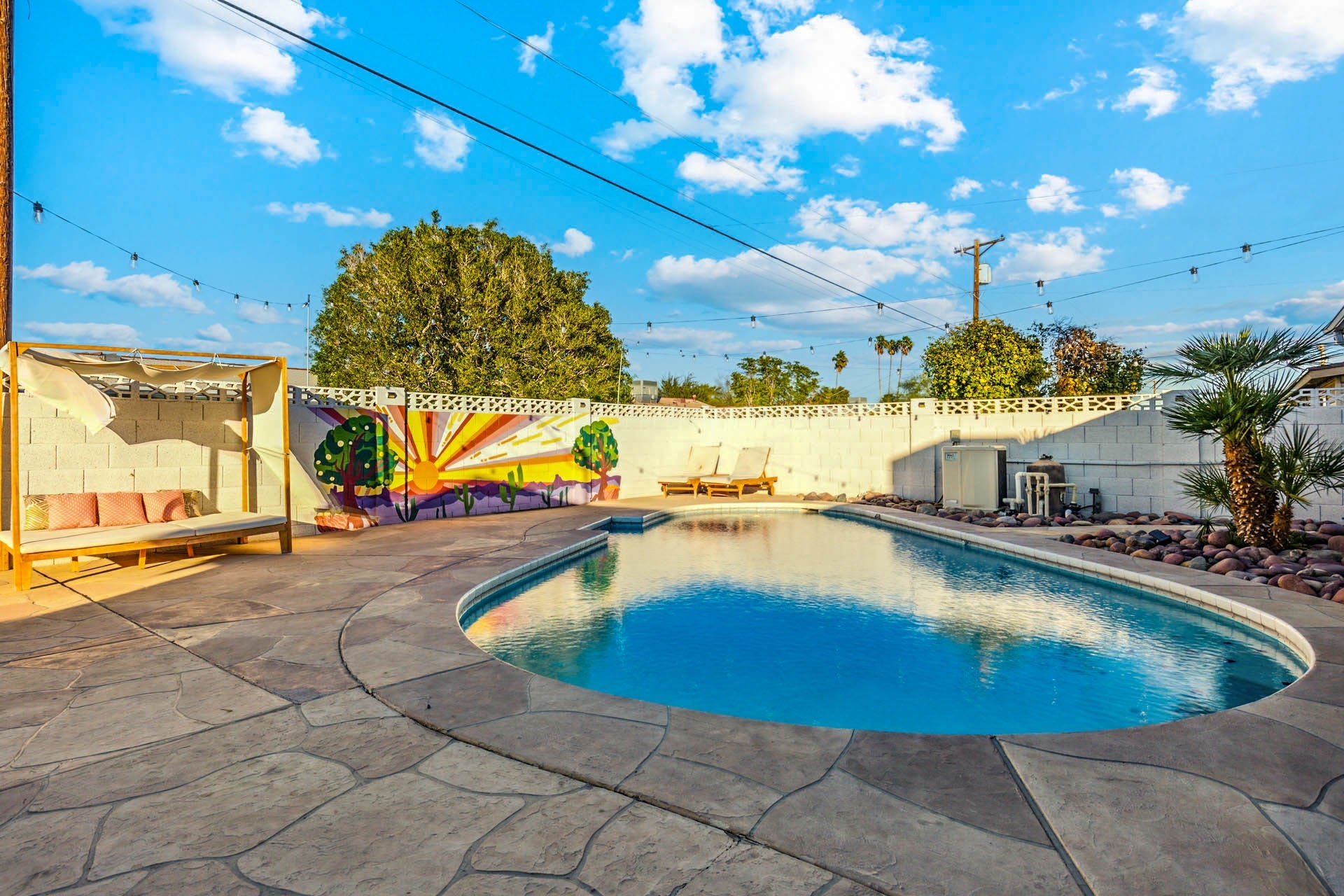
These amenities increase liability exposure and will be underwritten separately. Expect higher premiums or coverage exclusions if you have these features. Requiring guests to sign a safety acknowledgment for pool or hot tub use reduces but doesn't eliminate this risk.
Renting Seasonally
Some property owners only rent during peak season and use the property themselves the rest of the year. Your insurance coverage needs to account for both uses. Make sure your policy covers the transition periods and doesn't require a pure vacation rental operation to remain active.
Frequently Asked Questions
Does my homeowner's insurance cover vacation rental activity?
Almost certainly not. Most homeowner's policies specifically exclude commercial activity, and short-term renting is typically classified as commercial. File a claim for guest-caused damage under a standard homeowner's policy, and you risk denial and potential policy cancellation. Confirm your actual coverage with your insurer before renting to a single guest.
Is Airbnb AirCover enough insurance?
For minor incidents on Airbnb bookings, AirCover handles a lot. For anything serious, like a major injury claim, significant property damage, or an event that makes your property unrentable, AirCover's limitations become apparent. It doesn't cover off-platform bookings at all. Serious vacation rental operators treat AirCover as supplemental, not sufficient.
How much does vacation rental insurance cost?
For a typical single-family property, expect $1,500-$3,000 per year for a comprehensive standalone policy. Condo rentals run lower. Properties with pools, hot tubs, or above-average furnishing values run higher. Get quotes from at least two providers before deciding.
What's the most overlooked coverage?
Loss of rental income. Property owners focus on damage and liability, but if something makes your property unrentable for two or three months, the income loss often exceeds the cost of the physical damage itself. Make sure any policy you consider includes this.
Do I need separate insurance for each platform I list on?
No. A standalone STR insurance policy covers your rental activity regardless of which platform the booking came from, including direct bookings through your own website. This is one of the key advantages over relying on platform-provided protections.
Getting this right doesn't require becoming an insurance expert. It requires asking the right questions of your current insurer, getting at least one quote from a purpose-built STR provider, and making sure the coverage you have actually matches the activity your property is engaged in.
If you want to talk through what full-service management includes when it comes to risk and compliance for your property, contact the Stay Classy Homes team directly.


Leave a comment
This site is protected by hCaptcha and the hCaptcha Privacy Policy and Terms of Service apply.